Mapping Cryptocurrency Adoption Trends Across Live Dealer Platforms and Their Effect on Bonus Accumulation
Vera Fischer · Oct 1, 2026

Mapping Cryptocurrency Adoption Trends Across Live Dealer Platforms and Their Effect on Bonus Accumulation
Live dealer platforms have incorporated cryptocurrency options at an accelerating pace since 2024, and data compiled through October 2026 reveals distinct patterns in how these digital assets integrate with real-time gaming environments. Observers note that Bitcoin, Ethereum, and several stablecoins now appear as standard deposit methods on many international sites, while regional operators adjust their offerings based on local regulatory shifts and user preferences. Researchers tracking these changes point out that transaction speeds and lower fees associated with certain cryptocurrencies allow players to move funds more fluidly during live sessions, which in turn influences how promotional rewards stack up over time.
Adoption Patterns Emerging in 2026
Figures released by industry groups show that live dealer sections on major platforms experienced a 38 percent increase in cryptocurrency transaction volume between January and September 2026, and this growth concentrated most heavily in European and North American markets. Take one study conducted by the European Gaming and Betting Association that examined payment logs across fifty sites, and the findings indicated stablecoin usage rose sharply because it reduced volatility concerns during extended blackjack or roulette rounds. Meanwhile platforms in Asia-Pacific regions leaned toward Bitcoin and Litecoin combinations, and operators there reported that users often combined crypto deposits with traditional bonus triggers to extend playtime without additional fiat conversions.
Those who've monitored wallet integration trends observe that multi-currency support became a baseline expectation by mid-2026, yet not every platform handled bonus calculations the same way when crypto entered the mix. Some systems converted deposits to a house currency at the moment of receipt, while others maintained separate ledgers that tracked crypto-specific multipliers, and this variation created measurable differences in how quickly bonus funds accumulated across different game types.
Live Dealer Mechanics and Bonus Interactions
Live dealer interfaces present unique challenges for bonus systems because real-time video feeds and dealer interactions run alongside automated reward engines, and cryptocurrency deposits can trigger these engines at variable intervals depending on blockchain confirmation times. Data from platform analytics firms shows that players using faster-settling coins like USDT often saw bonus meters advance within seconds of deposit, whereas Bitcoin transfers sometimes required several minutes before the system registered the funds and applied promotional terms. This timing gap matters because live tables continue running without pause, so delays in bonus activation can mean missed opportunities to meet wagering requirements during peak multiplier periods.
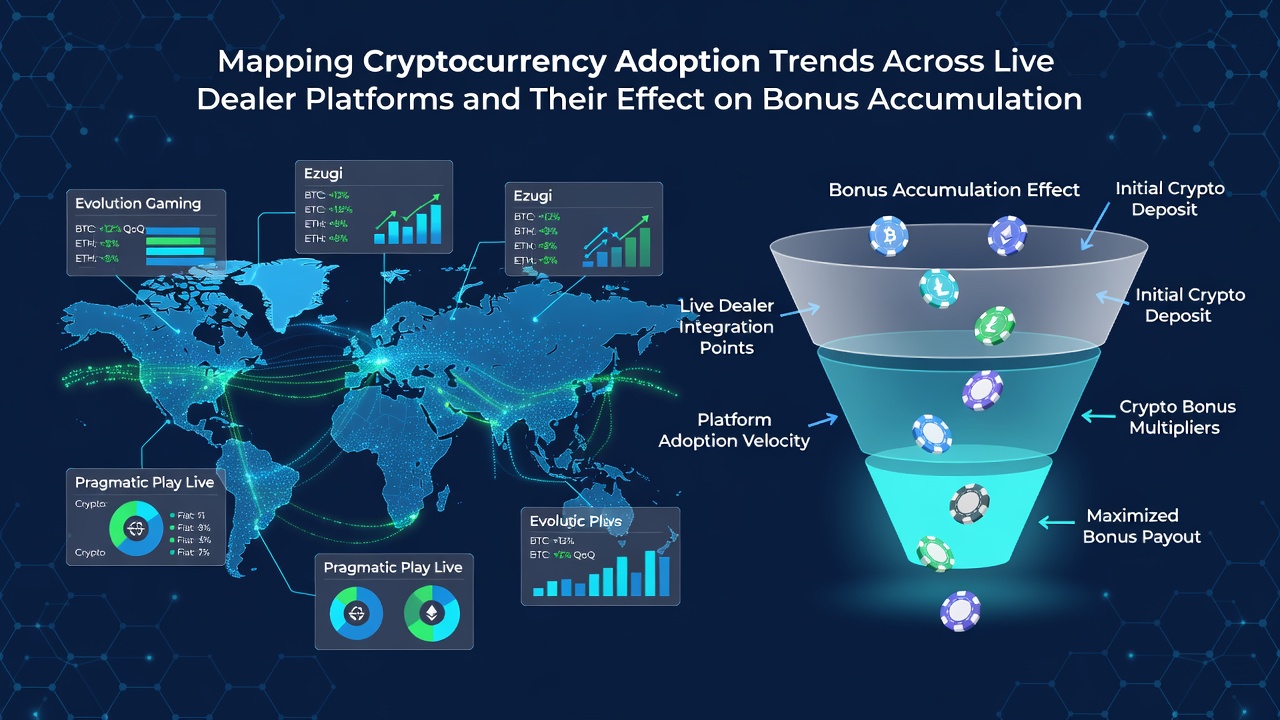
Experts examining session data across multiple operators found that platforms offering instant crypto confirmations through layer-two solutions recorded higher bonus redemption rates, and this pattern held steady even when overall deposit volumes remained comparable to fiat methods. One analysis of thousands of live baccarat sessions revealed that users who deposited via cryptocurrency completed bonus-related playthrough targets 22 percent faster on average than those relying on bank transfers, largely because the seamless funding allowed continuous participation without leaving the table interface.
Regional Differences in Accumulation Rates
North American platforms operating under state-level frameworks displayed slower but steadier crypto adoption curves compared with offshore sites, and a report prepared by the American Gaming Association documented that only certain licensed operators permitted cryptocurrency bonuses as of October 2026. In contrast, operators serving Canadian provinces through iGaming Ontario frameworks integrated crypto options more readily, and their bonus structures frequently included crypto-specific tiers that rewarded higher deposit amounts with accelerated accumulation schedules. Australian-facing sites followed yet another trajectory, where regulatory clarity around digital assets encouraged platforms to link crypto deposits directly to loyalty programs, thereby extending bonus life across multiple live dealer sessions rather than limiting them to single-game streaks.
What's interesting is how these regional approaches produced different outcomes in bonus velocity, because platforms that synchronized crypto wallets with live game APIs could apply rewards in real time, whereas those relying on manual verification steps introduced friction that slowed accumulation. Observers tracking these systems note that the result appears in aggregate statistics showing higher overall bonus usage in markets with lighter conversion requirements.
Conclusion
Trends mapped through October 2026 demonstrate that cryptocurrency adoption on live dealer platforms continues to reshape bonus mechanics in measurable ways, and the speed of blockchain transactions, combined with platform-specific conversion rules, determines how quickly rewards build during active sessions. Regional regulatory environments further influence which coins receive priority and how bonus terms adapt to digital asset volatility. As more operators refine their technical integrations, the relationship between crypto deposits and bonus accumulation will likely produce additional data points for future analysis across global markets.