How Mobile Interfaces Reshape Jackpot Mechanics and Live Dealer Interactions Through Varied Payment Channels
Nils Frank · Aug 18, 2026
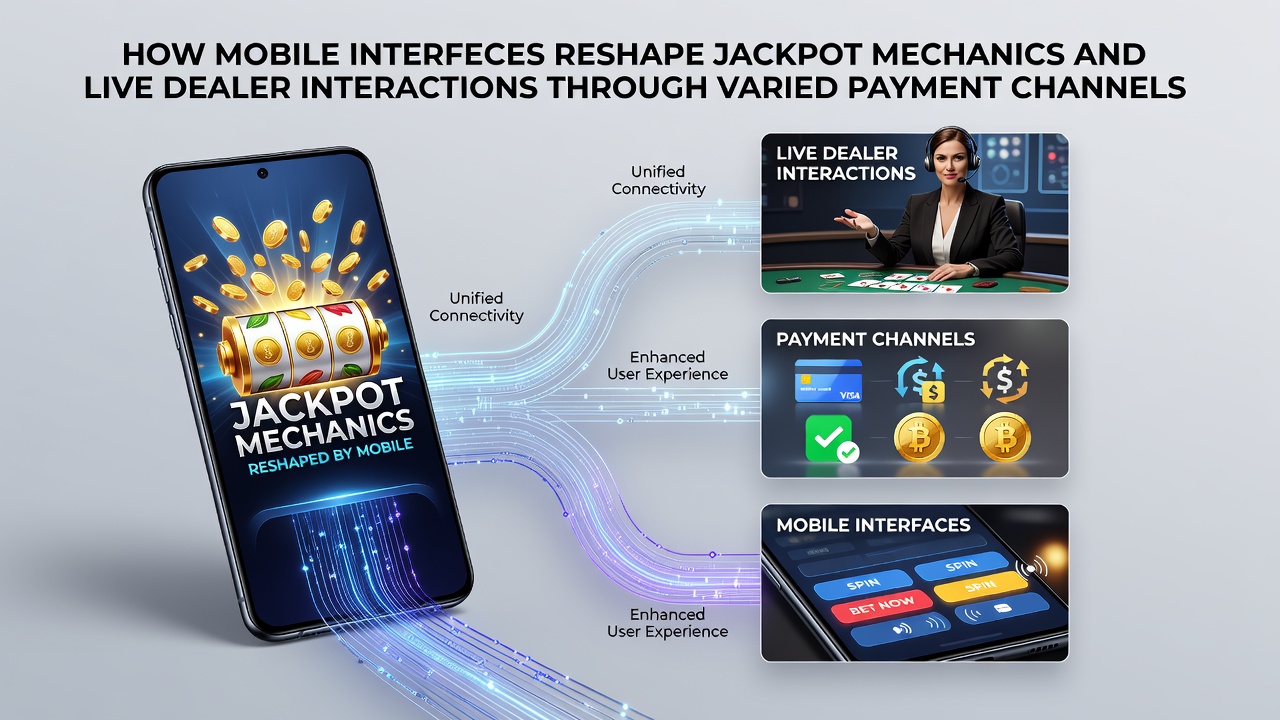
How Mobile Interfaces Reshape Jackpot Mechanics and Live Dealer Interactions Through Varied Payment Channels
Mobile interfaces have altered jackpot mechanics by enabling real-time updates to prize pools across multiple games and devices, while payment channels such as digital wallets adn instant bank transfers feed directly into these systems to trigger contributions and payouts without requiring desktop access. Developers integrate touch gestures and push notifications that alert users when jackpots reach certain thresholds, and data from industry reports show that these features increase participation rates in progressive systems compared to earlier stationary platforms.
Jackpot Mechanics Shift Under Mobile Constraints
Jackpot pools now adjust dynamically based on mobile session data because algorithms track bet sizes and frequencies through app interfaces rather than browser-based inputs, and this shift allows operators to segment contributions by device type. Studies conducted by university researchers in Canada indicate that mobile-triggered jackpots often incorporate location-based multipliers when players connect through approved payment channels in regulated jurisdictions, whereas desktop versions maintain flat rates. Observers note that the shorter session lengths typical on smartphones lead designers to create micro-progressive jackpots that accumulate faster, and these smaller pools link into larger networks once mobile users reach specific thresholds via integrated payments.
Live Dealer Interactions Adapt to Touch and Payment Flows
Live dealer tables incorporate mobile-optimized video streams that respond to swipe and tap controls for betting and chat functions, while payment channels embedded in the same apps allow instant top-ups without leaving the table view. Figures from the Alcohol and Gaming Commission of Ontario reveal that mobile live dealer sessions account for a growing share of total play volume in that province, particularly when players use e-wallets that settle bets in seconds and update dealer-visible balances automatically. Those who have examined interaction logs find that chat response times shorten on mobile because players type with one hand and place bets with the other, creating a more continuous flow compared to desktop setups that separate payment steps from gameplay.
Payment Channels Drive Integration Points
Varied payment methods connect directly to mobile interfaces through APIs that synchronize with both jackpot meters and live dealer interfaces, so a deposit via cryptocurrency or mobile carrier billing instantly reflects in the player's available balance and triggers corresponding contributions. What's interesting here is how these channels reduce friction in cross-game transfers, allowing funds from a live roulette table to move into a jackpot slot without additional verification steps on the same device. Data released by the Australian Communications and Media Authority shows rising adoption of these unified flows in licensed markets, especially after regulatory updates that took effect ahead of August 2026 and emphasized seamless mobile transactions across gaming categories.
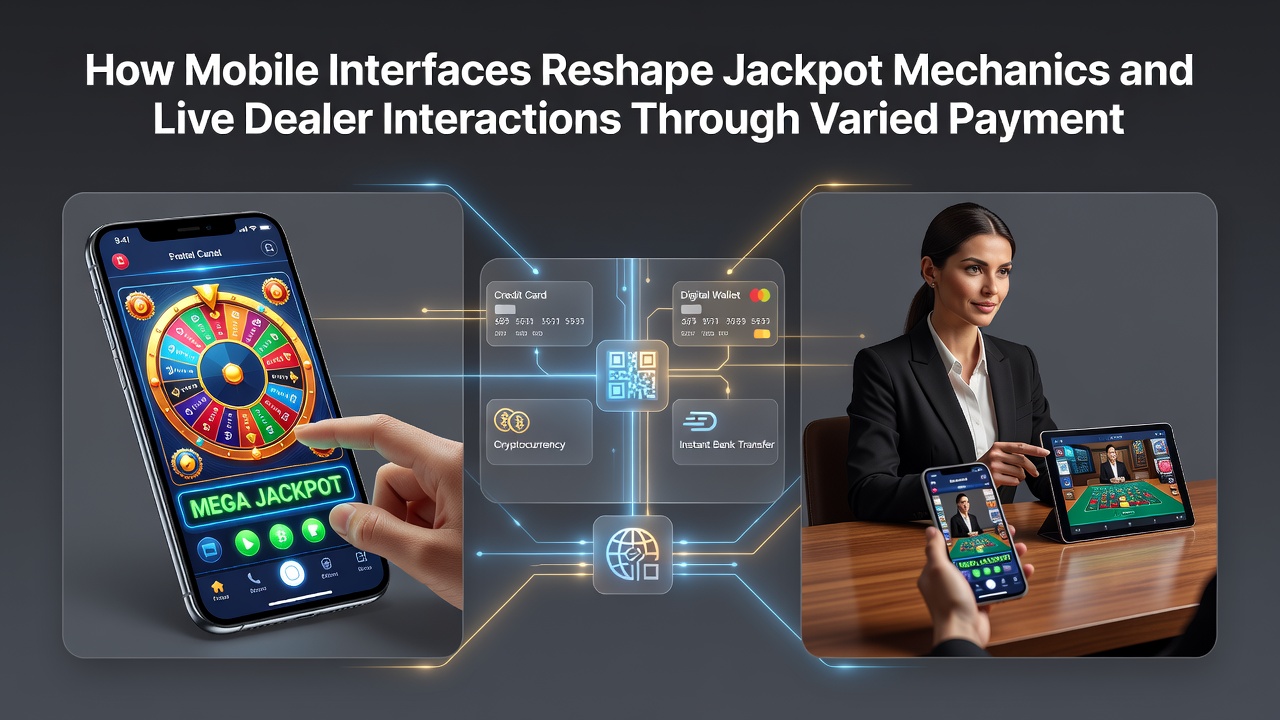
Operators now design payment gateways that appear as floating elements within live dealer streams, and this placement lets users fund accounts mid-hand while the dealer continues the round. Researchers at several European institutions have documented how such integrations affect player retention metrics when mobile interfaces combine payment history with jackpot contribution tracking in a single dashboard view.
Technical Adjustments in Interface Design
Screen real estate limitations on mobile devices force jackpot displays into expandable overlays rather than permanent side panels, and live dealer video windows resize automatically when payment confirmation messages appear. These adjustments maintain visibility of key information without overwhelming the limited display area, and developers test multiple gesture sets to ensure that both jackpot claims and dealer interactions remain responsive under varying network conditions. The reality is that payment channel diversity requires additional backend checks that mobile apps handle through background processes, keeping the front-end experience fluid even when switching between fiat options and digital currencies.
Regulatory Context Around August 2026
By August 2026 several jurisdictions had implemented updated technical standards requiring mobile interfaces to display jackpot rules and payment processing times in consistent formats across apps, and compliance data collected by state-level bodies in the United States show high adherence rates among major operators. These rules also address live dealer environments by mandating clear separation between game controls and financial functions on smaller screens, reducing the chance of accidental bets during payment authorization steps.
Conclusion
Mobile interfaces continue to influence jackpot mechanics through faster pool updates and segmented contribution models while reshaping live dealer interactions via integrated controls and payment options that operate within the same app environment. Varied payment channels serve as the connective tissue that enables these changes, linking deposits, bets, and prize distributions across device types in regulated markets. Observers tracking developments after August 2026 note that further refinements in interface standards and payment synchronization will likely build on the patterns already established in current implementations.